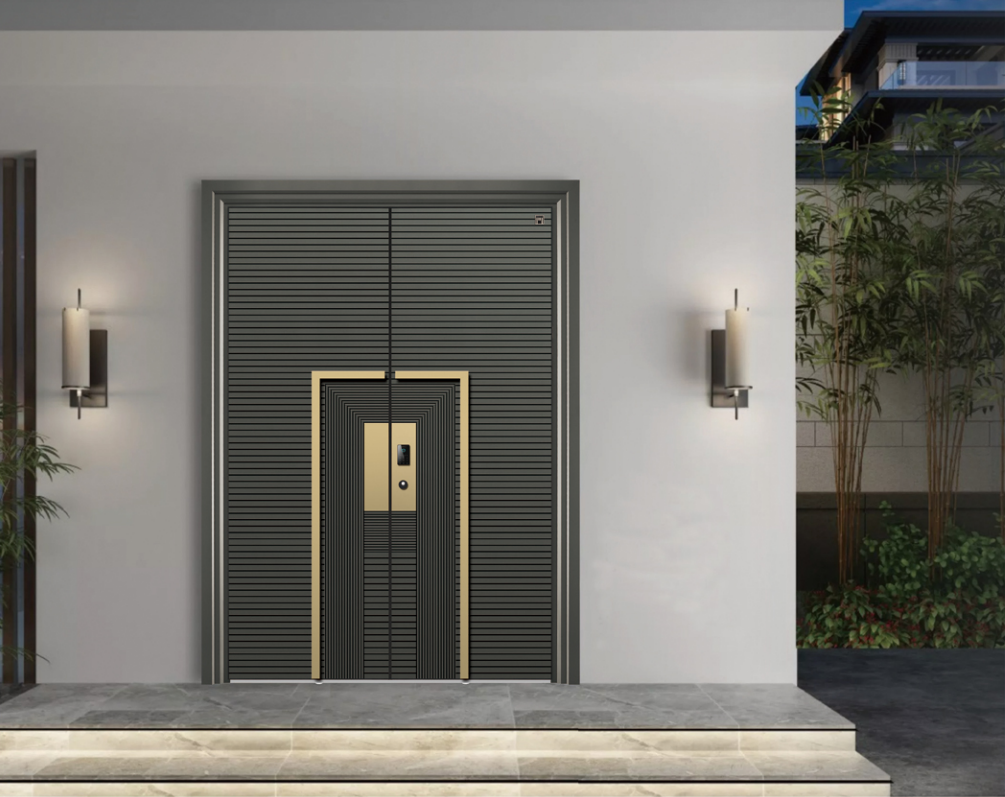
The global aluminum door industry is witnessing transformative growth, driven by technological advancements and evolving consumer demands. From Entrance Door designs integrating smart security features to Room Door solutions emphasizing lightweight durability, aluminum alloy products are redefining modern architecture. Here’s an in-depth look at the latest trends and market dynamics:
1. Rising Demand for High-Performance Entrance Door Systems
The Entrance Door segment continues to dominate the premium market, with innovations focusing on security, aesthetics, and energy efficiency. Leading manufacturers like Foshan Anda Industry Co., Ltd. have launched customizable aluminum Entrance Door systems featuring integrated smart locks and advanced thermal insulation. These doors, such as the 2025 ADVANCE Modern Residential Main Entry Exterior Front Door, combine stainless steel and aluminum frameworks with AI-driven security protocols, catering to luxury residential and commercial projects .
Market data reveals a surge in demand for Entrance Door products in Asia, particularly in China and India, where urbanization and high-end real estate developments are accelerating. By 2025, the global smart door market is projected to exceed $36.4 billion, with aluminum systems accounting for over 40% of sales.
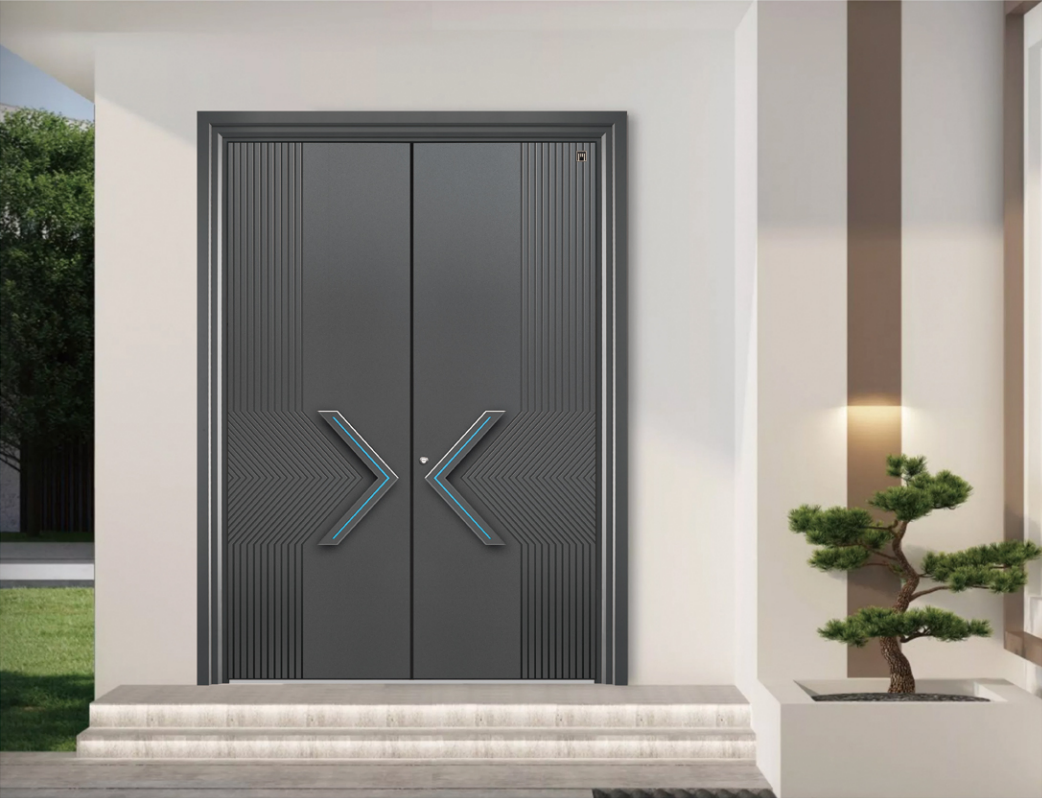
2. Room Door Solutions: Lightweight and Eco-Friendly Designs
In the Room Door category, manufacturers are prioritizing lightweight structures and noise reduction. Aluminum’s inherent properties—corrosion resistance, recyclability, and ease of customization—make it ideal for interior applications. For instance, ANDA Custom Europe Security Aluminium Entry Door series now offers modular designs compatible with smart home ecosystems, enabling voice-controlled operation and real-time monitoring.
Environmental regulations are further propelling this shift. Over 60% of new Room Door products now use recycled aluminum, aligning with global green building standards like LEED. In Europe, aluminum doors with triple-glazed Low-E glass have become a staple in energy-efficient residential renovations.
3. Luxury Villa Door Markets: Customization Meets Grandeur
The Villa Door sector is experiencing a renaissance, driven by affluent consumers seeking bespoke designs. High-profile projects, such as the American Style Villa Pivot Entrance Security Luxury Front Door, showcase aluminum’s versatility in combining grandeur with functionality. These doors feature oversized panels (up to 8 meters in length), handcrafted wood-aluminum composites, and anti-intrusion systems tailored for luxury estates.
China’s villa market is a key growth engine. Post-2024 real estate stimulus policies have revitalized demand, with aluminum Villa Door installations in high-end communities rising by 22% year-on-year. Industry leaders like Guangdong Xingfa Aluminum and Yongzhen Technology are expanding production lines to meet customized orders for embossed patterns and smart sensing mechanisms.
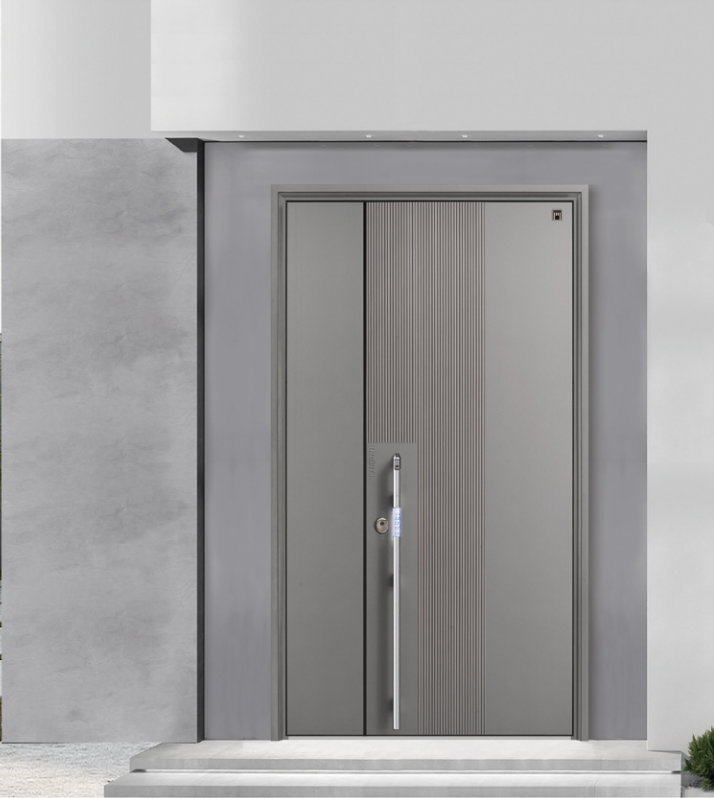
4. Industry Outlook: Sustainability and Smart Integration
The aluminum door market is poised for a 6.8% CAGR growth through 2030, fueled by:
- **Smart Technologies**: Integration of IoT sensors for climate adaptation and security alerts.
- **Material Innovations**: Development of graphene-coated aluminum for enhanced scratch resistance.
- **Policy Support**: Governments worldwide are subsidizing energy-efficient door installations under carbon neutrality agendas.
Notably, the 2025 Aluminum Pivot Door/wood Main Entry Door series has set a new benchmark, achieving a 30% reduction in thermal conductivity compared to traditional steel models.
Conclusion
From Entrance Door systems securing urban skyscrapers to minimalist Room Door designs in smart apartments and opulent Villa Door installations in luxury estates, aluminum continues to shape the future of architectural solutions. With sustainability and intelligentization at its core, the industry is entering an era of unprecedented innovation.
For detailed market insights, refer to industry reports from Chinairn and Alibaba’s 2025 product catalogs.