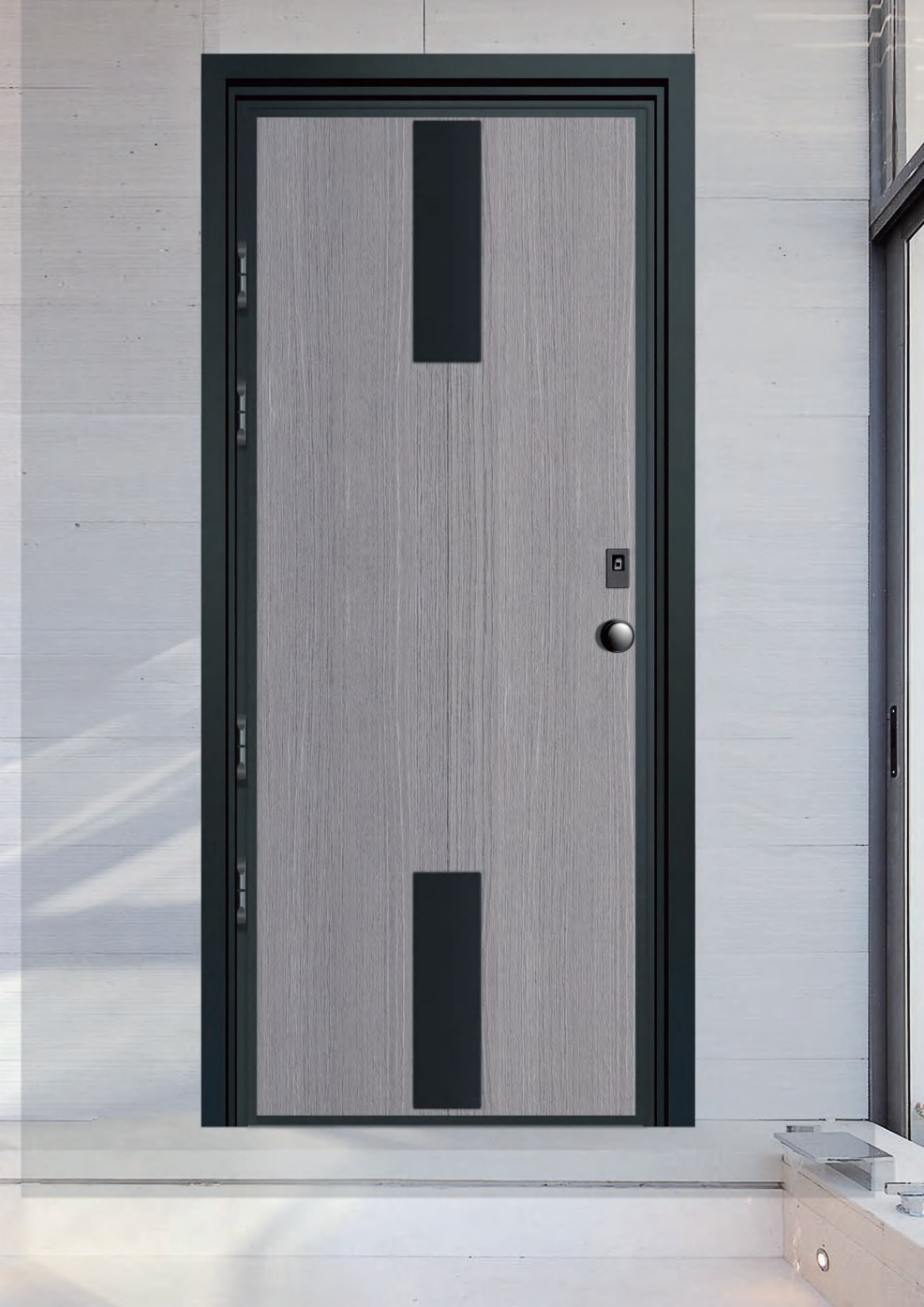
Yes, integrating brain-computer interface (BCI) sensors into aluminum doors to enable contactless operation via brainwave signals is theoretically feasible with current technology. Here’s a breakdown of its potential and challenges:
Feasibility
Non-Invasive BCI Technology: Modern non-invasive BCIs, such as EEG-based systems, can detect and interpret brainwave patterns associated with specific intentions (e.g., "open" or "close"). For instance, portable devices like the Focus 1 headset (developed by BrainCo) have demonstrated the ability to control smart home appliances through focused mental states.
Signal Translation: Algorithms can map brainwave patterns to predefined commands. For example, case studies like the "brain-controlled smart home systems" in China’s 2024 BCI innovation list show how neural signals can trigger actions like turning on lights or adjusting appliances.
Integration with IoT: Aluminum doors equipped with embedded BCI sensors could connect to IoT platforms, translating neural signals into door-control commands via wireless protocols like Bluetooth or Wi-Fi.

Challenges
Signal Accuracy: Non-invasive BCIs often struggle with noise interference and low spatial resolution, requiring advanced filtering and machine learning models to ensure reliable detection.
User Training: Users must undergo training to generate consistent, recognizable brainwave patterns for specific commands, similar to how patients in clinical trials learn to control robotic limbs.
Real-World Adaptation: Environmental factors (e.g., electromagnetic interference in metal doors) and power consumption for continuous sensor operation need optimization.
Application Scenarios
Villa Gates: High-end residential settings could adopt BCI-enabled aluminum doors for hands-free access, enhancing accessibility for individuals with mobility impairments.
Room Doors: Hospitals or smart homes might use this technology to improve hygiene and convenience in sterile environments.
While prototypes and research (e.g., Neuralink’s trials and China’s BCI advancements) validate the concept, widespread commercialization depends on overcoming technical limitations and ensuring affordability.