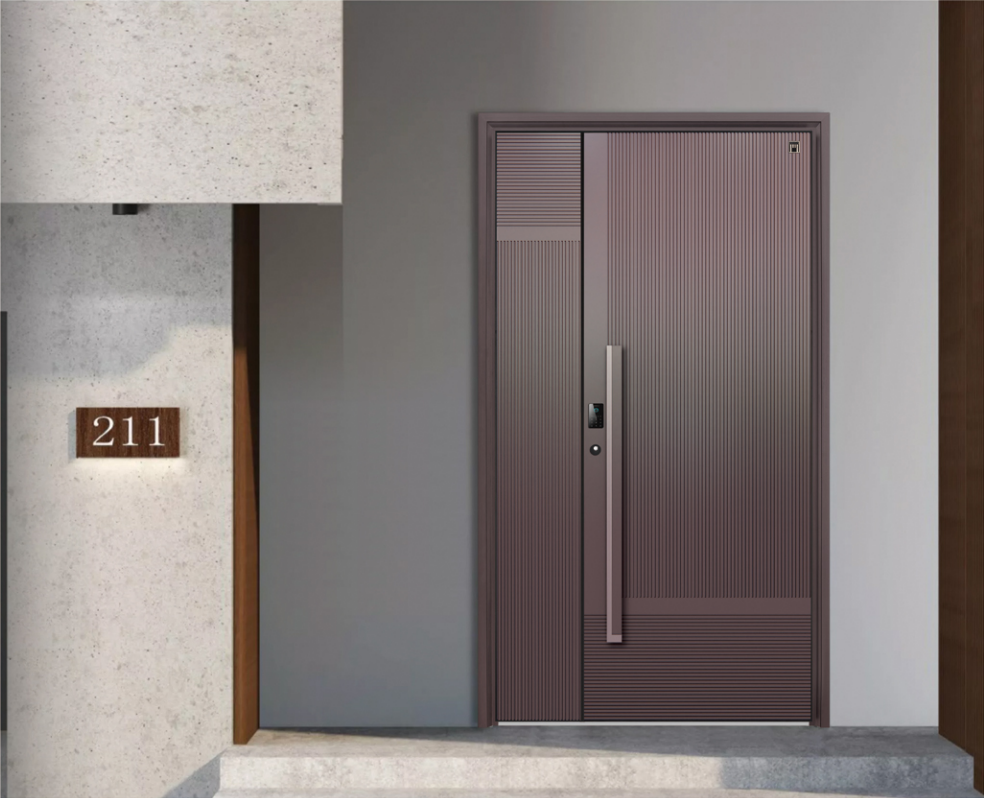
Nano-alumina coatings can significantly enhance the dust resistance and self-cleaning capabilities of aluminum door surfaces, though achieving "permanent dust-free" performance depends on coating durability and environmental conditions. The self-cleaning mechanism primarily relies on superhydrophobicity and the lotus leaf effect, where water droplets roll off the surface, carrying away dust particles.
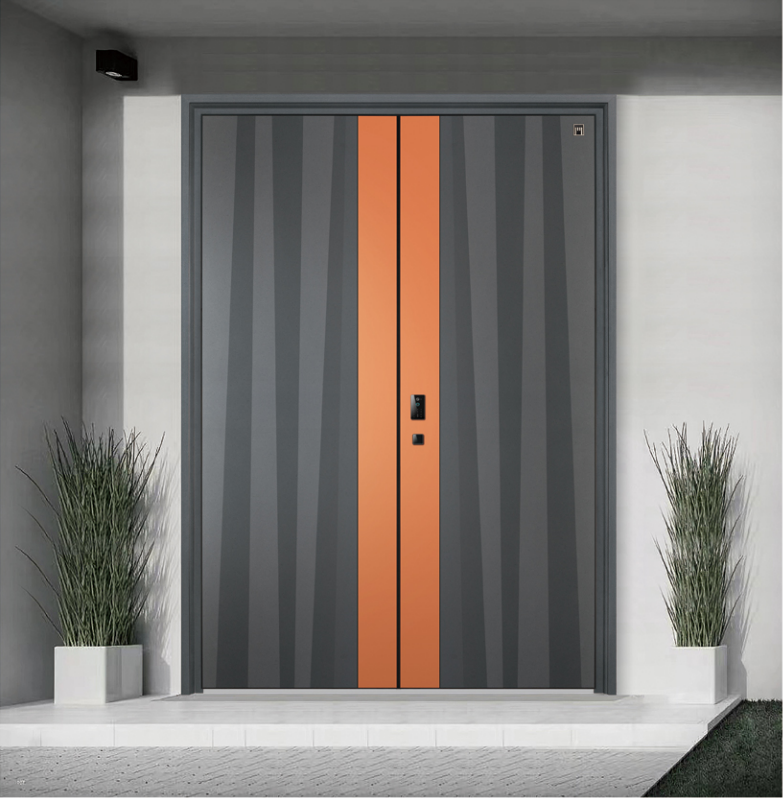
Key Principles of Self-Cleaning:
Superhydrophobic Surface Creation:
Nano-alumina particles create micro/nanoscale roughness, while low-surface-energy chemicals (e.g., organosilanes, PDMS, or stearic acid) reduce adhesion forces. This combination results in high water contact angles (>150°) and low sliding angles (<10°), enabling water droplets to form near-spherical shapes and roll off effortlessly.
Dust Removal via Droplet Dynamics:
When water droplets roll over the coated surface, they absorb or dislodge dust particles due to kinetic energy. For example, organosilane-modified alumina coatings achieved 90% transmittance (visible light) and removed dust completely via rolling droplets.
Self-Healing Properties:
Advanced coatings, such as Ni-Al layered double hydroxide (LDH) with nanowall arrays, store low-energy modifiers (e.g., stearic acid) within their structure. If the coating is scratched, these modifiers migrate to the surface, restoring hydrophobicity and self-cleaning functionality.
Mechanical Robustness:
Composite coatings (e.g., Al₂O₃/glass frit) improve durability by enhancing particle-substrate adhesion. Such coatings retained hydrophobicity even after 30 minutes of water jet impact or sandpaper abrasion.
Limitations and Innovations:
Scalable Patterning: Recent methods using vinyl masking and etching enable precise wettability contrast on aluminum surfaces. Patterns as small as 1.5 mm optimize droplet shedding during condensation, enhancing cooling and anti-icing performance.
Environmental Adaptability:
While superhydrophobic coatings resist water-based contaminants, oily substances or prolonged mechanical wear may degrade performance. Self-healing designs and hybrid coatings (e.g., PDMS-silane) address these challenges.
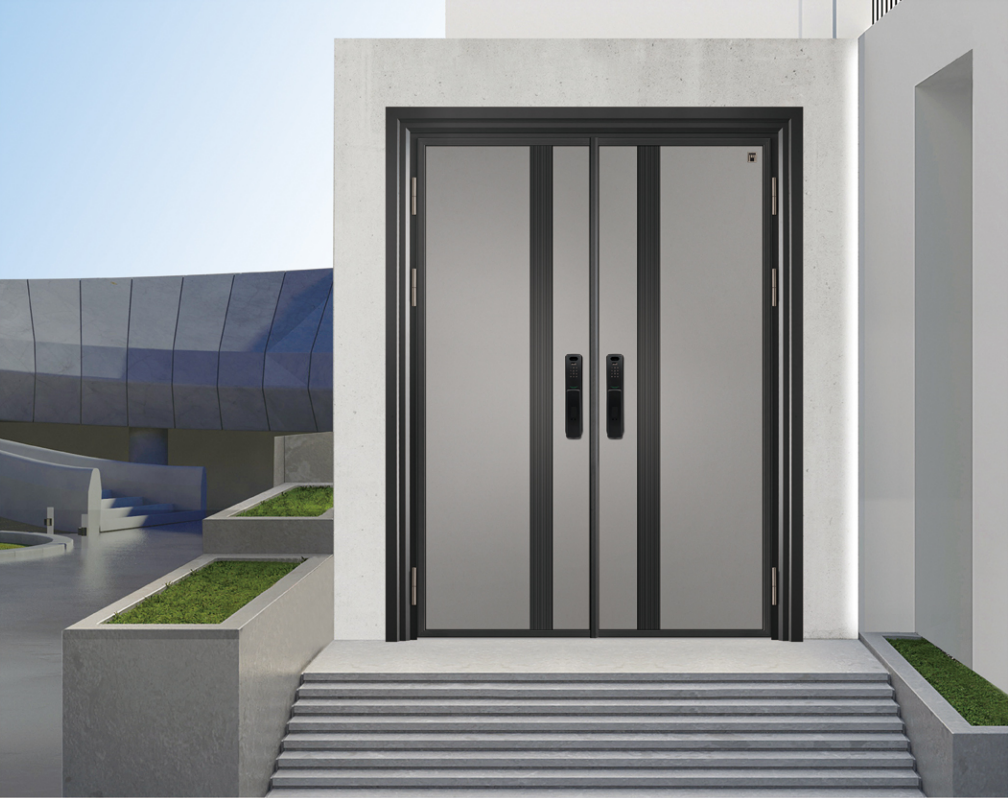
Applications:
These coatings are ideal for Aluminum door, Entry Doors, villa gate, and Room Door, offering:
Scratch and corrosion resistance.
Reduced maintenance for high-traffic areas.
Enhanced aesthetics with optional transparency or color customization.
In summary, nano-alumina coatings provide near-"dust-free" aluminum surfaces through synergistic surface roughness and chemistry, though long-term efficacy requires robust engineering. Innovations in self-healing and scalable patterning are paving the way for broader adoption in architectural and industrial contexts.