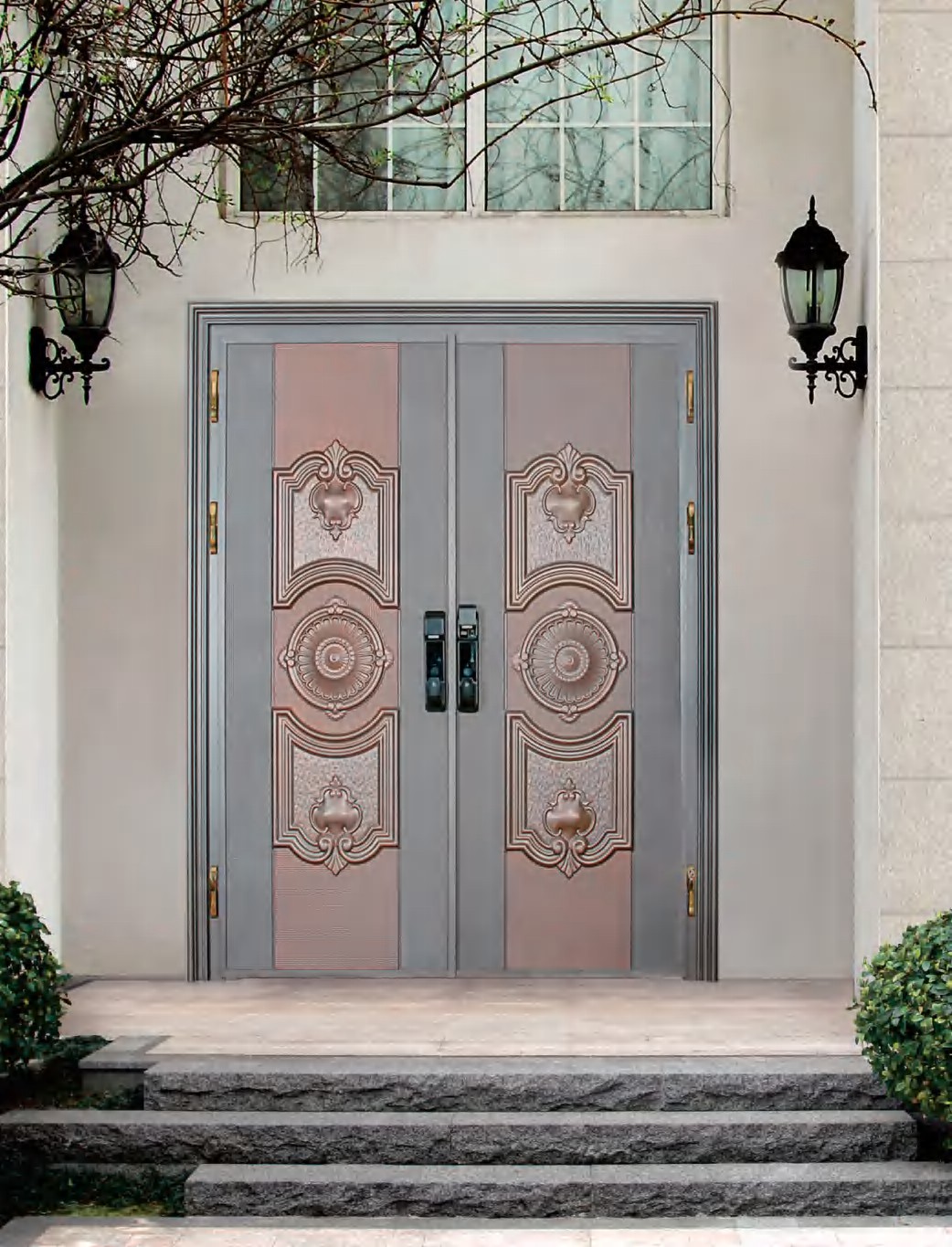
Yes, embedding graphene into aluminum profiles can simultaneously enhance both strength and thermal conductivity. Here's the technical analysis and challenges:
1. Strength Enhancement
Graphene's exceptional mechanical properties (theoretical tensile strength ~130 GPa) enable significant reinforcement of aluminum matrices. Studies show graphene-aluminum composites achieve 30-80% higher tensile strength than pure aluminum. The key mechanisms include:
Load transfer: Graphene's 2D structure effectively transfers stress across the aluminum matrix.
Grain refinement: Graphene inhibits dislocation movement, refining aluminum's microstructure.
2. Thermal Conductivity Improvement
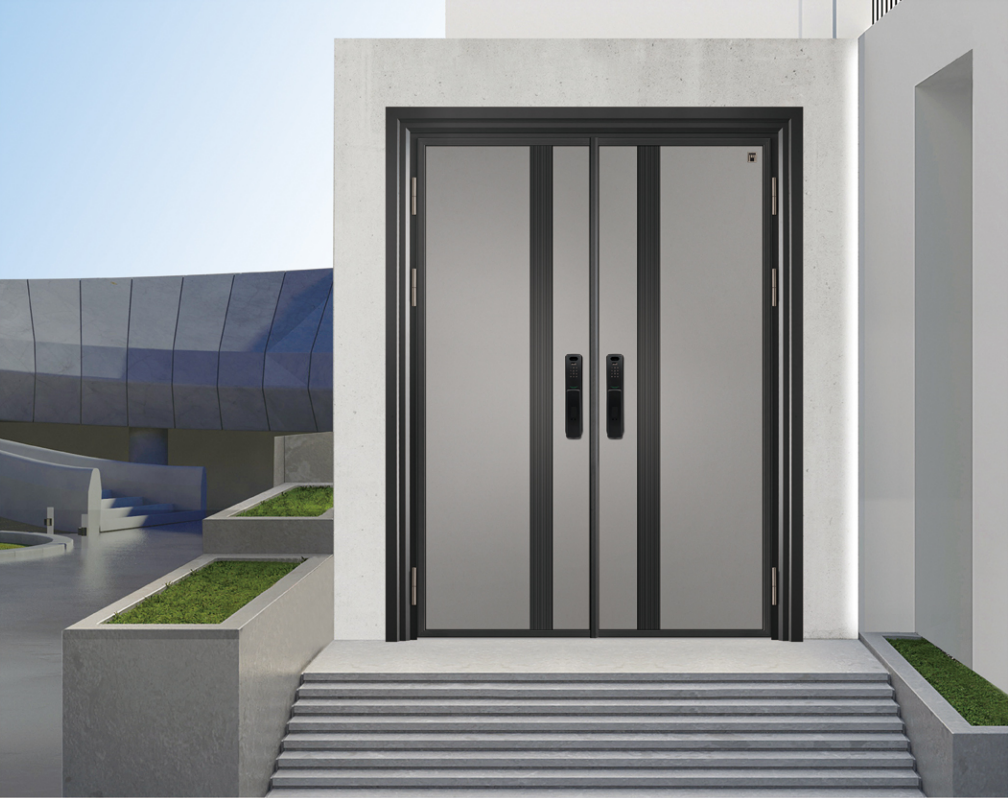
Graphene's ultrahigh in-plane thermal conductivity (~5,300 W/m·K) enables aluminum composites to achieve 50-300% higher thermal conductivity. Applications like Entrance Door frames benefit from rapid heat dissipation, while Villa Door systems gain energy efficiency via improved thermal management. However, out-of-plane conductivity remains limited by interfacial phonon scattering.
Technical Challenges
a) Uniform Dispersion: Graphene tends to aggregate due to van der Waals forces, causing localized stress concentrations. Solutions like ball milling or chemical functionalization are energy-intensive and may damage graphene's structure.
b) Interfacial Bonding: Weak graphene-Al bonding reduces load/heat transfer efficiency. Uncontrolled Al formation at interfaces (500-600°C) degrades mechanical properties. Plasma-enhanced CVD or Ni/Ti coatings improve adhesion but increase costs.
c) Scalable Manufacturing: Current methods (e.g., melt stirring, powder metallurgy) struggle to align graphene sheets optimally. Pressure infiltration achieves 85-95% density but requires precise temperature/pressure control.
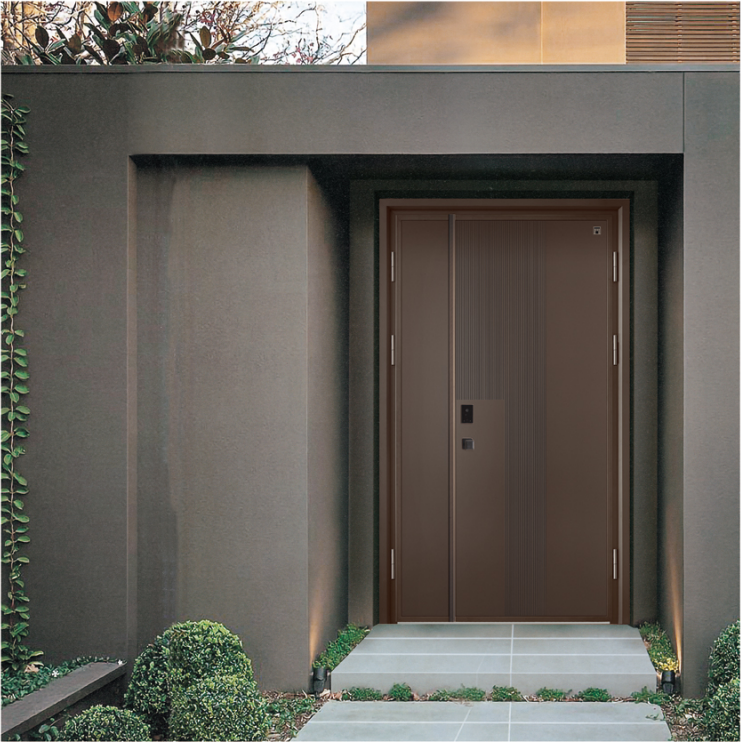
d) Cost-Effectiveness: High-quality graphene production and composite processing remain expensive, limiting adoption in mass-produced Room Door components.
Future Directions
Hybrid architectures combining graphene with CNTs or diamond particles for synergistic strengthening.
AI-driven process optimization to balance graphene content (0.5-5 wt%), alignment, and interfacial design.
In summary, while graphene-aluminum composites show transformative potential for high-performance doors (Entrance Door, Room Door, Villa Door), overcoming dispersion, interfacial, and scalability barriers remains critical for industrial adoption.