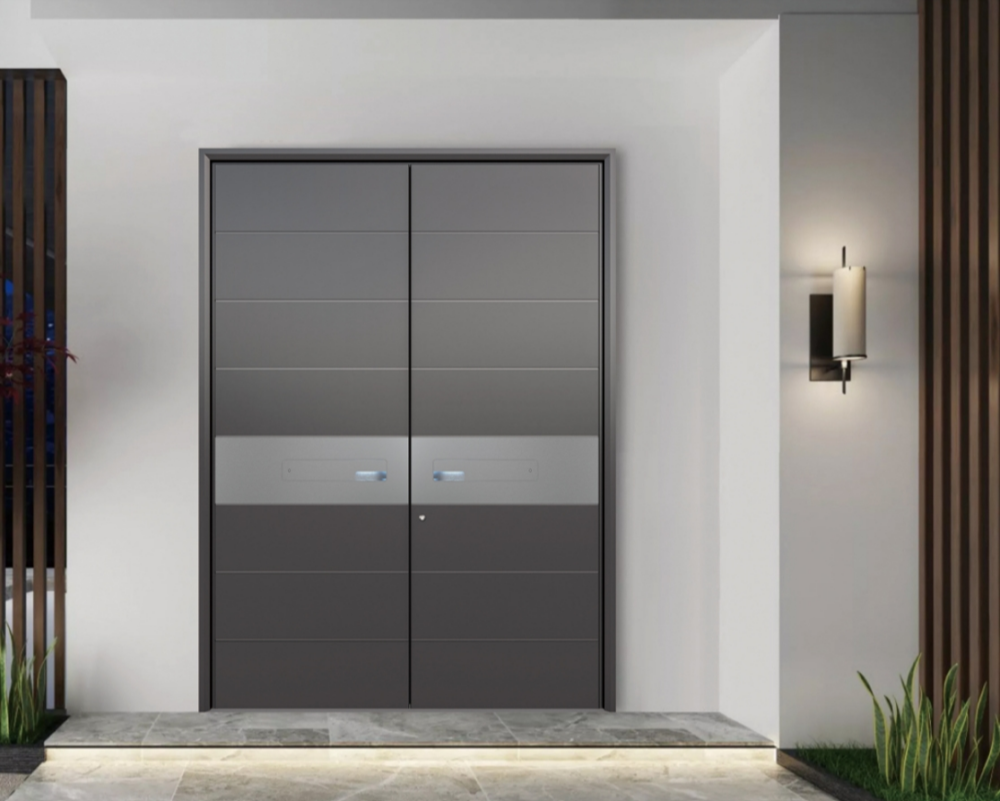
Yes, cultural preferences for door swing directions (left vs. right, inward vs. outward) significantly influence aluminum hinge design and installation practices. Here’s how cultural norms and functional requirements shape these preferences:
1. Cultural and Functional Drivers
Inward vs. Outward Swing:
In many Western cultures, Entrance Doors traditionally swing inward for security and weather resistance, as hinges installed internally are harder to tamper with. Conversely, in Feng Shui traditions (common in East Asia), inward-opening doors symbolize welcoming positive energy (Chi), necessitating concealed hinges to maintain aesthetic harmony and energy flow.
Outward-swinging doors, preferred in emergency exits or crowded spaces (e.g., restaurants), require heavy-duty hinges with reinforced load-bearing capacity to handle frequent use and external pressure.
Left vs. Right Swing:
Regional building codes and spatial layouts dictate hinge placement. For example, in Europe, Room Doors often follow a "handedness" convention (left-hand vs. right-hand hinges) based on traffic flow and furniture arrangement. In contrast, Japanese sliding doors (fusuma) eliminate traditional hinges entirely, favoring track systems, though modern aluminum-framed sliding doors use low-profile hinges for hybrid designs.
2. Hinge Design Adaptations
Concealed Hinges:
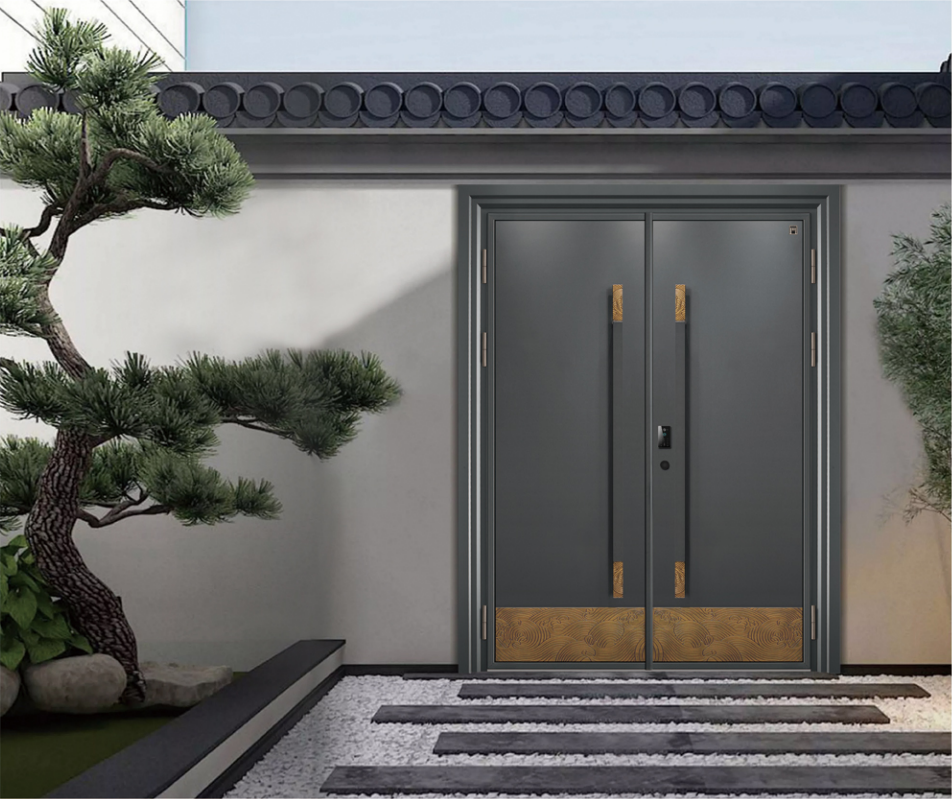
Cultures prioritizing minimalism (e.g., Scandinavian design) or Feng Shui often use hidden hinges for Villa Doors to maintain clean lines and unobstructed energy flow. These hinges integrate seamlessly into aluminum door frames, requiring precision engineering to balance durability and aesthetics.
Reinforced Hinges:
In regions with outward-swinging Entrance Doors (e.g., hurricane-prone areas), hinges are designed with anti-corrosion coatings and reinforced pins to withstand high wind loads and forced entry attempts.
Adjustable Hinges:
For cultures emphasizing modularity (e.g., modern urban apartments), 3D adjustable aluminum hinges allow fine-tuning of door alignment post-installation, accommodating variations in door frame tolerances across regions.
3. Technical Challenges
Load Distribution:
Outward-swinging doors exert higher torque on hinges, demanding thicker aluminum alloy compositions (e.g., 6061-T6) and multi-point hinge systems to prevent sagging.
Alignment with Cultural Norms:
In Feng Shui-compliant designs, hinge placement must avoid "sharp angles" or alignment with negative energy paths (e.g., facing staircases), requiring custom hinge orientations.
Aesthetic Constraints:
High-end Villa Doors in cultures valuing opulence (e.g., Middle Eastern architecture) often use decorative hinges with gold plating or intricate patterns, blending functionality with cultural symbolism.
4. Regional Case Studies
Europe:
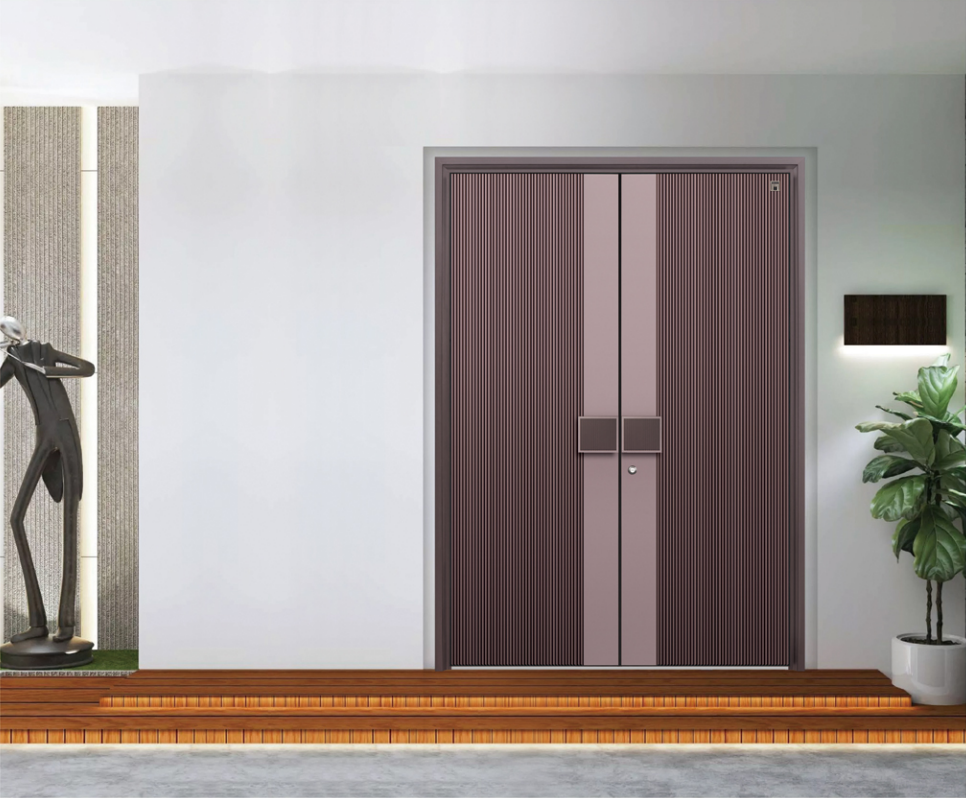
Hinges for inward-swinging Room Doors prioritize quiet operation (soft-close mechanisms) and space-saving profiles to align with compact urban living.
North America:
Entrance Doors with outward swings in commercial buildings use heavy-duty ball-bearing hinges to meet fire safety codes, while residential designs favor concealed hinges for curb appeal.
Asia:
Feng Shui-driven markets demand hinges with non-reflective finishes (e.g., matte black) and hidden screws to avoid disrupting Chi flow. Sliding aluminum doors with integrated hinges are popular for Villa Doors to harmonize with nature.
Conclusion
Cultural preferences for door swing directions directly shape aluminum hinge innovation, balancing security, aesthetics, and symbolic significance. Whether optimizing for Feng Shui compliance in Entrance Doors, space efficiency in Room Doors, or grandeur in Villa Doors, hinge designs must adapt to both functional demands and deeply rooted cultural values.