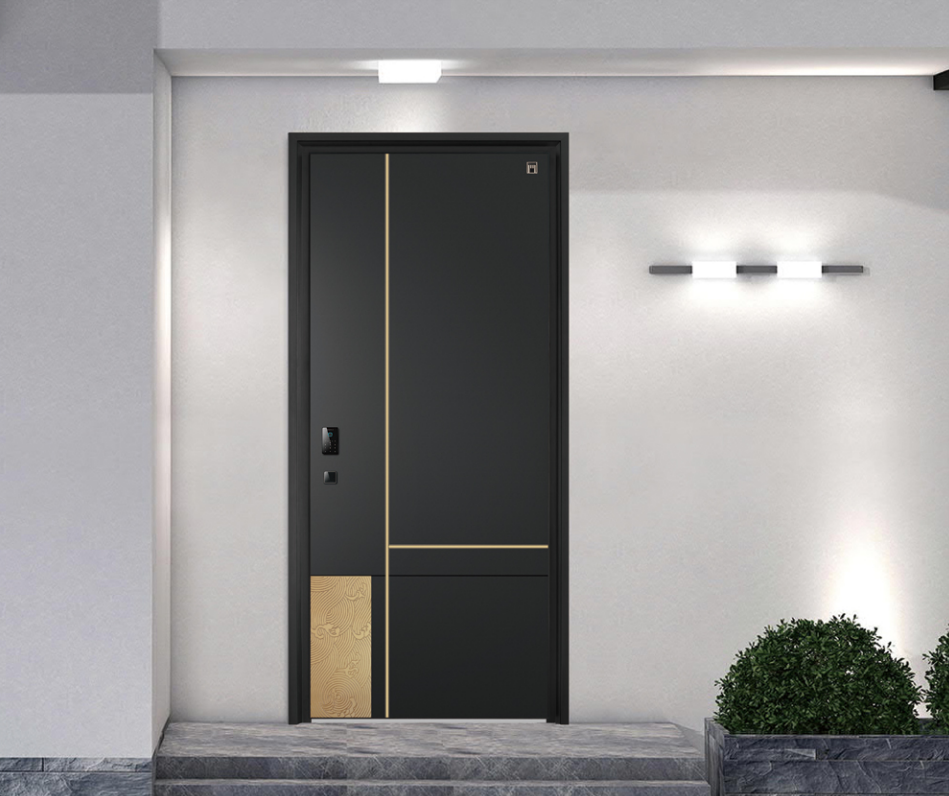
4D printing technology, which integrates smart materials and programmable structures to enable shape, performance, or functional transformations under external stimuli (e.g., temperature, humidity, or light), holds transformative potential for aluminum door production. While not yet mainstream, its ability to merge design, manufacturing, and adaptive functionality could redefine traditional processes in the following ways:
Material Innovation and Self-Adaptive Design:
4D printing relies on stimuli-responsive materials like shape-memory alloys, hydrogels, or programmable polymers. For aluminum doors, embedding such materials could enable self-adjusting features. For instance, doors might autonomously expand or contract to improve thermal insulation in response to temperature changes. This eliminates the need for manual adjustments or additional mechanical components, enhancing energy efficiency and durability.
Simplified Manufacturing and Customization:
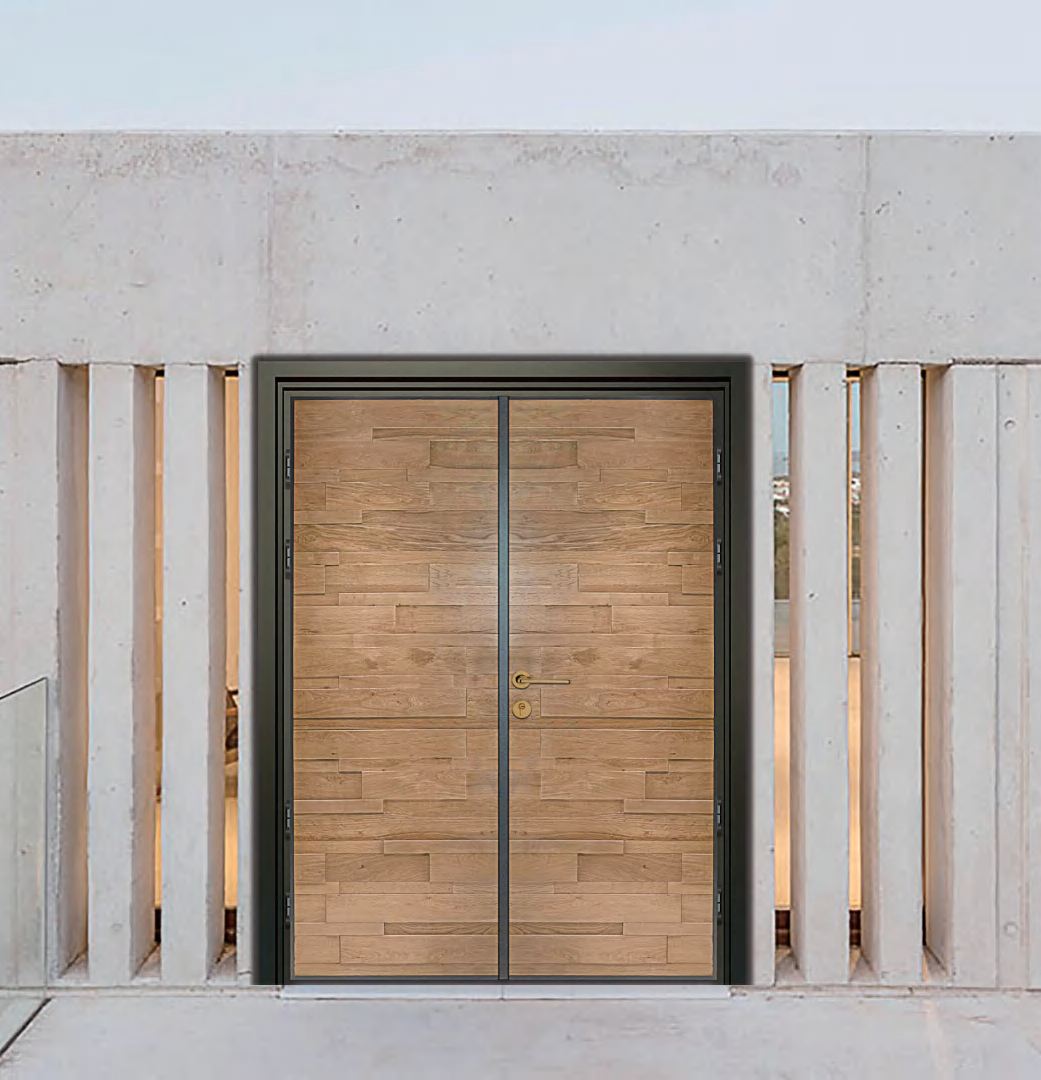
Traditional aluminum door production involves multiple steps—extrusion, machining, assembly—which 4D printing could streamline. By integrating hinges, seals, or locking mechanisms directly into a single printed structure, labor and material costs may decrease. Customized designs, such as intricate patterns for Villa Doors or lightweight lattice structures for high-rise Entrance Doors, could be achieved without complex tooling.
Enhanced Functionality and Maintenance:
4D-printed aluminum doors could self-repair minor cracks through material reconfiguration or adapt to environmental stressors (e.g., humidity-induced warping). For Room Doors, embedded sensors or shape-shifting surfaces might improve soundproofing or security. Such innovations align with smart-building trends but require advances in material reliability and cost-effective scalability.
Challenges to Overcome:
Material Limitations: Current 4D-printed smart materials lack the strength and weather resistance of conventional aluminum alloys. Hybrid approaches (e.g., combining aluminum with shape-memory polymers) are under exploration but face durability issues.
Production Scalability: Large-scale 4D printing of aluminum doors demands high-precision equipment and energy-intensive processes, which conflict with traditional extrusion methods’ efficiency.
Cost and Standardization: Smart materials and 4D printers remain expensive. Standardizing design protocols for dynamic structures (e.g., adaptive thresholds for Entrance Doors) also poses regulatory and technical hurdles.
In conclusion, while 4D printing is unlikely to fully replace conventional aluminum door manufacturing soon, it will gradually reshape niche markets demanding adaptive, high-value solutions. Innovations in multi-material printing and AI-driven design tools may accelerate adoption, particularly for bespoke Villa Doors, smart Entrance Doors, or modular Room Doors that prioritize sustainability and interactivity. As the technology matures, its integration with IoT and energy-efficient architectures could redefine the very concept of "intelligent" building components.