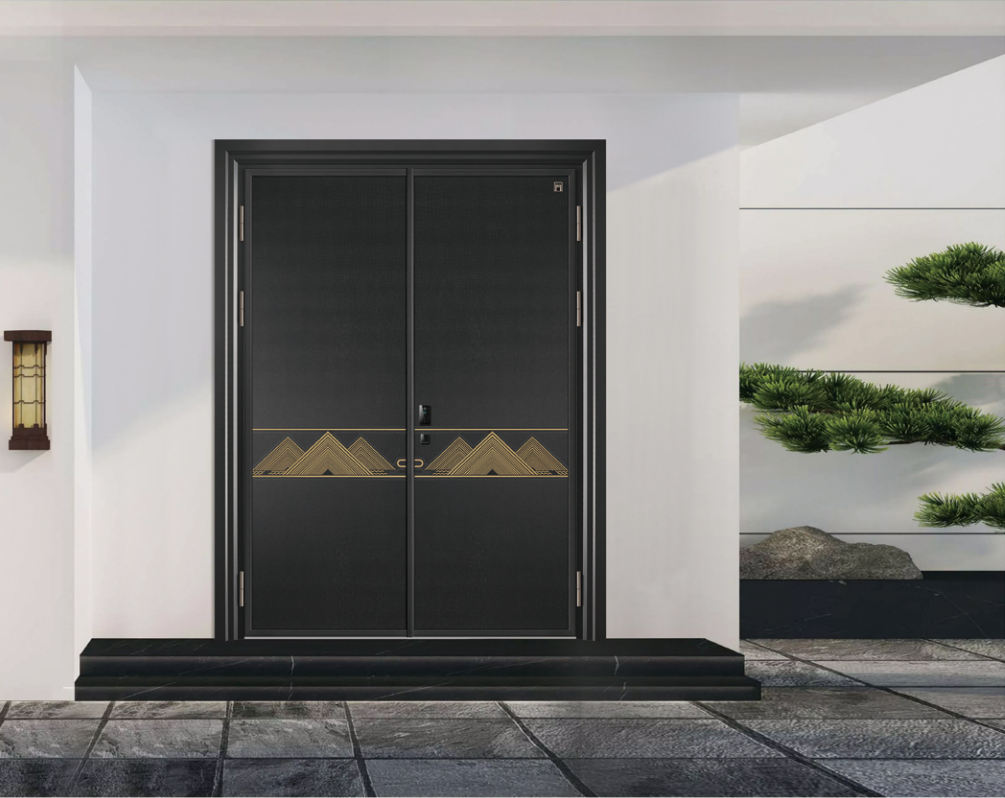
For aluminum doors in chemical plants exposed to strong acid/alkali vapors, a multi-layer protective coating system is essential to ensure durability and corrosion resistance. Based on industry standards and material properties, the recommended coating layers include:
1. Base Layer (Primer)
Function: Enhances adhesion to the aluminum substrate and provides initial corrosion inhibition.
Material: Epoxy-based or zinc-rich primers with high chemical resistance.
Thickness: 20–50 μm.
2. Intermediate Layer
Function: Acts as a barrier against chemical penetration and improves mechanical strength.
Material: High-solid epoxy or polyurethane coatings with ceramic additives for enhanced durability.
Thickness: 80–150 μm.
3. Top Layer (Surface Coating)
Function: Directly resists acid/alkali corrosion and abrasion.
Material: Fluoropolymer (e.g., PVDF) or nano-ceramic coatings to form a dense, non-reactive surface.
Thickness: 50–100 μm.
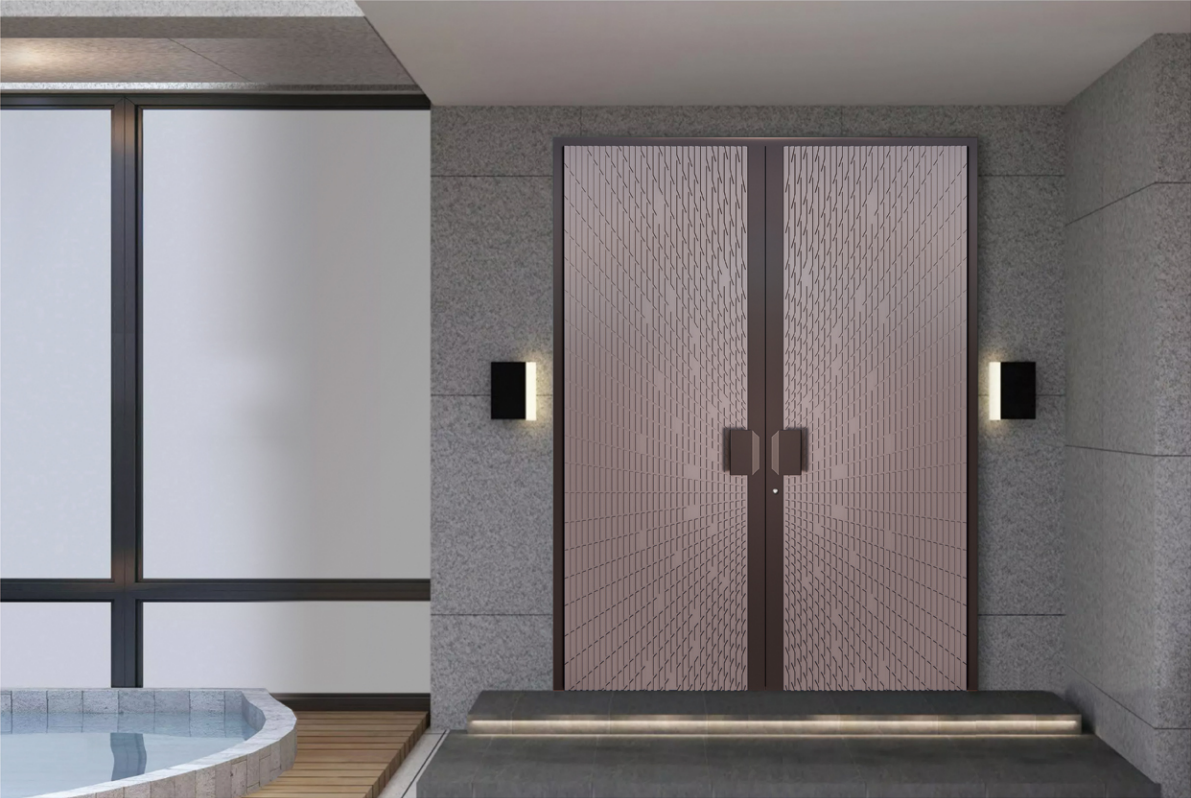
4. Optional Sealing Layer
Function: Further isolates the substrate from corrosive vapors.
Material: Silicone-based or inorganic silicate sealants for high-temperature stability.
Key Considerations:
Total Thickness: ≥200 μm for severe environments (e.g., 98% sulfuric acid or 30% NaOH exposure).
Curing: Ensure proper curing between layers to prevent delamination.
Testing: Validate performance via salt spray tests (e.g., ASTM B117) and chemical immersion trials.
Application-Specific Adjustments:
Entrance Door: Prioritize thicker intermediate layers (≥150 μm) due to frequent mechanical stress.
Room Door: Focus on lightweight coatings with moderate thickness (100–180 μm) for balance.
Villa Door: Combine aesthetic finishes (e.g., powder coating) with functional layers for both protection and visual appeal.
This multi-layered approach ensures long-term resistance to chemical attack while maintaining structural integrity.