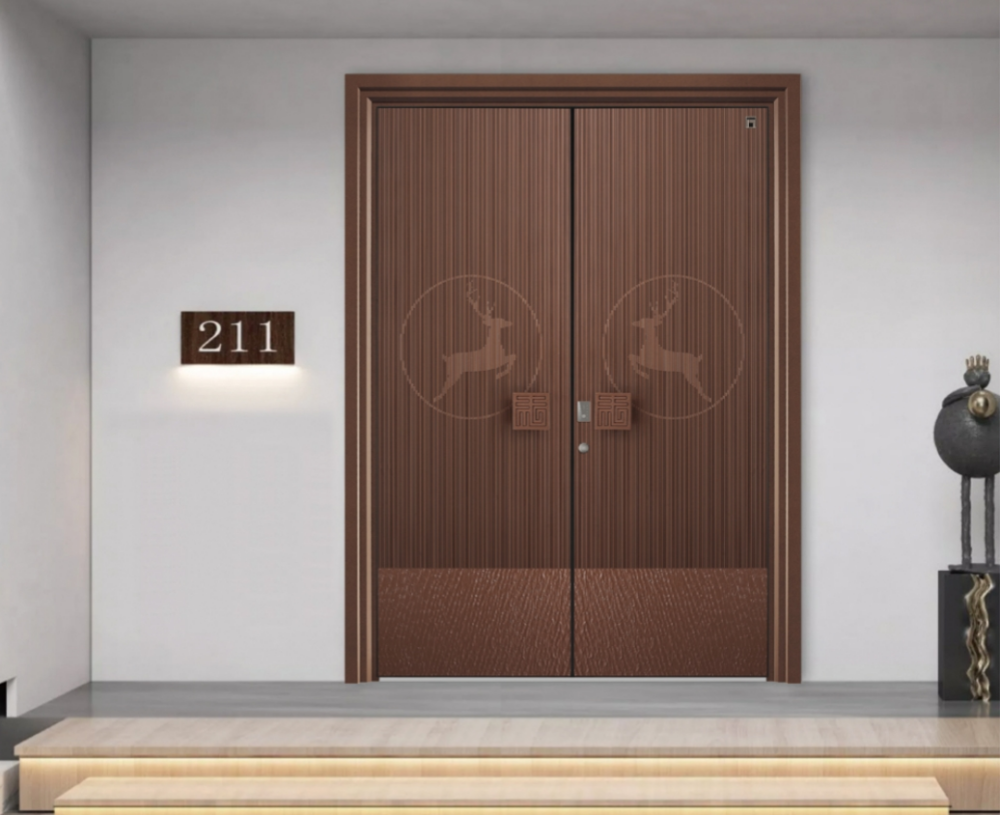
Aluminum doors have evolved into subtle yet powerful markers of social stratification through thickness specifications and brand positioning, reflecting both economic capacity and aesthetic aspirations. Here's how these elements encode social identity:
1. Thickness as a Symbol of Economic Capacity
Aluminum door thickness directly correlates with perceived quality and security investment.
Standardization vs. Premiumization: National standards (e.g., GB/T 5237.1-2008) mandate a minimum 1.4mm thickness for residential doors, but luxury Villa Doors often exceed 2.0mm or adopt double-layer aluminum cores to signal exclusivity. Thicker profiles (e.g., 85-93 series) are prioritized in high-end real estate, distinguishing them from mass-market 50-70 series products.
Functional Signaling: Heavy-duty doors (>300kg) with reinforced hinges and anti-breakage designs—common in gated communities—implicitly declare the owner’s prioritization of safety and willingness to pay for advanced engineering.
2. Brand Hierarchies and Cultural Capital
Luxury brands leverage craftsmanship narratives and design exclusivity to create aspirational value.
Heritage vs. Innovation: Established brands like Vantis and Fusim emphasize artisanal casting techniques or collaborations with architectural institutes, embedding cultural prestige into their products. Emerging labels target younger elites through smart-home integrations (e.g., biometric locks) and minimalist aesthetics.
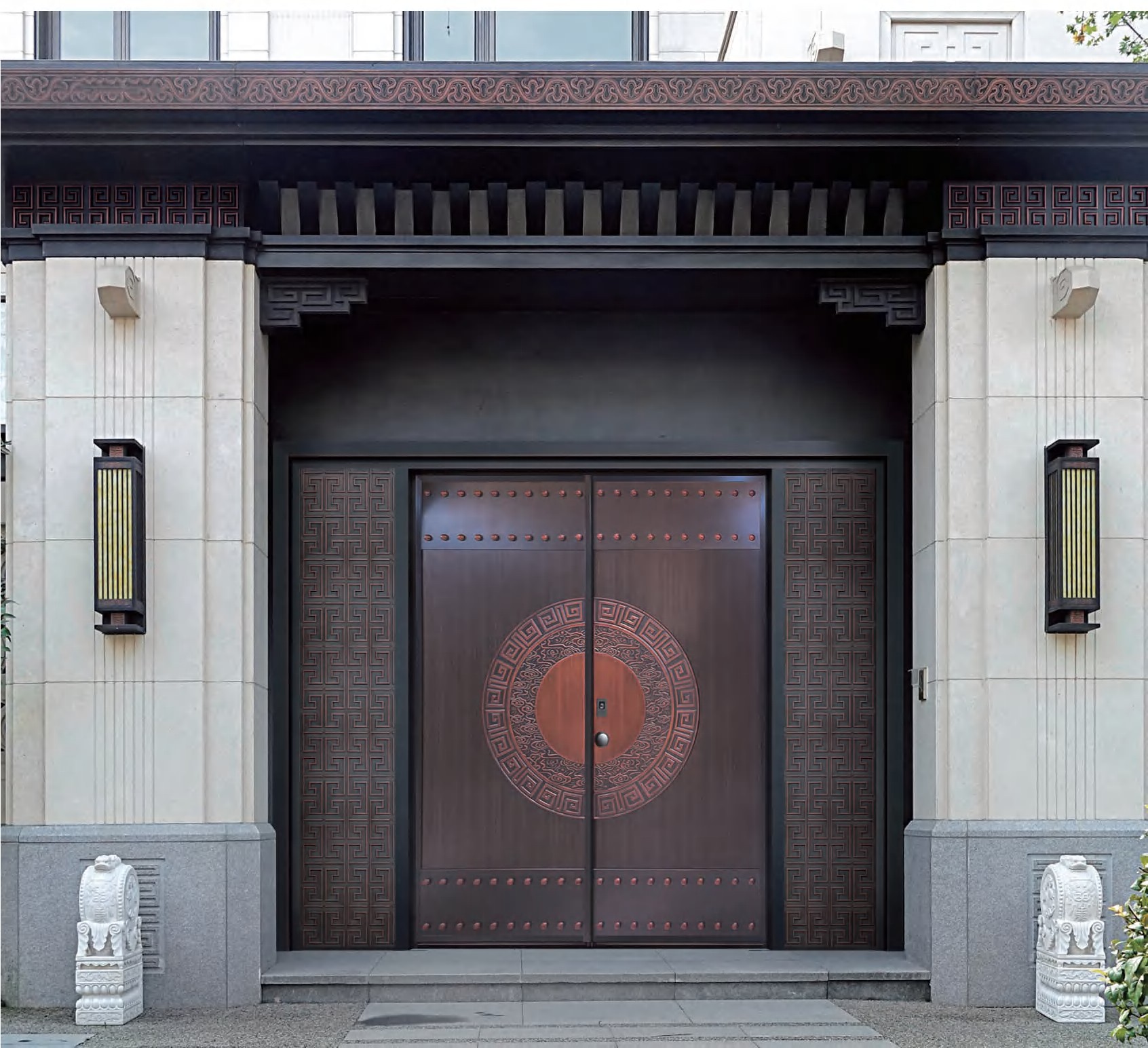
Geographic Coding: Regional preferences reinforce status. Northern Chinese consumers favor "Tang-style" lattice patterns (associated with tradition and stability), while Southern markets prefer avant-garde "ice-carved" glass designs to showcase modernity.
3. Material Stratification in Market Segmentation
The aluminum door industry stratifies consumers through graded material compositions:
Entry-Level: Thin, hollow-core aluminum (0.6-1.0mm) dominates budget markets, often paired with generic branding for cost-sensitive households.
Mid-Tier: Hybrid designs (e.g., aluminum-clad wood) cater to urban professionals, balancing affordability with faux-luxury finishes.
Elite Tier: Full-body cast aluminum doors (>6mm panels, A356 alloy) with hand-polished finishes and custom relievo motifs become "architectural heirlooms" for villas, priced 3-5× higher than standard models.
4. Behavioral Reinforcement of Status
Display Rituals: High-threshold Entrance Doors with brand-engraved lintels or custom crests act as permanent status announcements.
Maintenance Culture: Owners of premium brands often flaunt specialized care routines (e.g., annual ceramic coating), framing the door as a curated asset rather than a functional item.
5. Spatial Hierarchy in Door Typologies
Entrance Door: Thick (≥2.0mm) profiles with branded hardware (e.g., 3D-embossed handles) dominate suburban estates, contrasting sharply with urban apartment defaults.
Room Door: Mid-range thickness (1.4-1.8mm) in neutral tones maintains understated elegance for interior spaces.
Villa Door: Custom-engineered systems integrating bulletproof glass, climate seals, and heritage-inspired carvings redefine luxury boundaries.
By stratifying technical specifications and brand narratives, aluminum doors silently map social hierarchies. Whether through the weight of a Villa Door or the minimalist branding of a Room Door, these choices crystallize identity in the built environment.