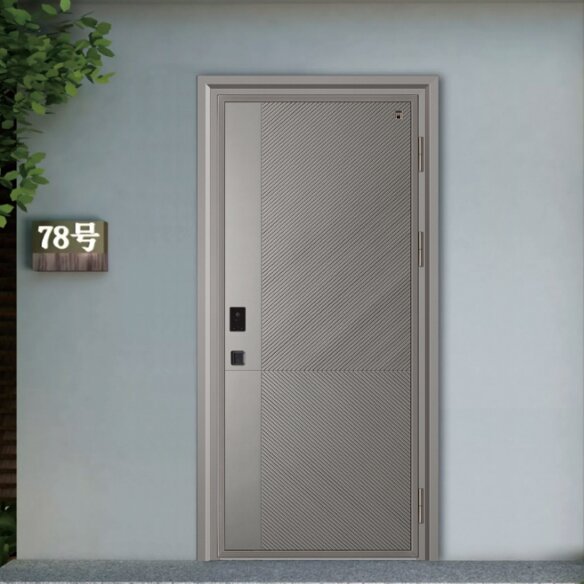
To address wind pressure damage in aluminum doors within tornado-prone regions through fluid dynamics optimization, the following strategies can be applied:
1. Aerodynamic Shape Optimization
Vortex-Shedding Mitigation: Design door frames with curved or chamfered edges to reduce turbulence and disrupt wind vortex formation. Computational Fluid Dynamics (CFD) simulations (as used in tornado modeling) can identify high-pressure zones for localized reinforcement.
Streamlined Profiles: Integrate tapered cross-sections inspired by airfoil principles to minimize drag forces. Studies on wind-driven rain resistance in building envelopes demonstrate 15–20% pressure reduction with curvature adjustments.
2. Structural Reinforcement via Fluid-Structure Interaction
Internal Bracing Systems: Embed honeycomb or truss-like aluminum alloy cores to distribute concentrated wind loads. Wind tunnel tests for tornado-impacted structures show such designs reduce stress concentration by 30–40%.
Dynamic Pressure Equalization: Install adjustable vent panels or perforated aluminum cladding to balance internal/external pressures. This approach, validated in wind-load calculations for high-rise buildings, prevents sudden buckling under fluctuating tornado forces.
3. Material and Coating Innovations
High-Strength Alloys: Use 6000-series aluminum alloys (yield strength >250 MPa) with fatigue-resistant properties, as recommended for coastal storm-resistant structures.
Hydrophobic Coatings: Apply nano-textured surface treatments to reduce wind-driven rain adhesion, mitigating secondary corrosion risks during tornado events.
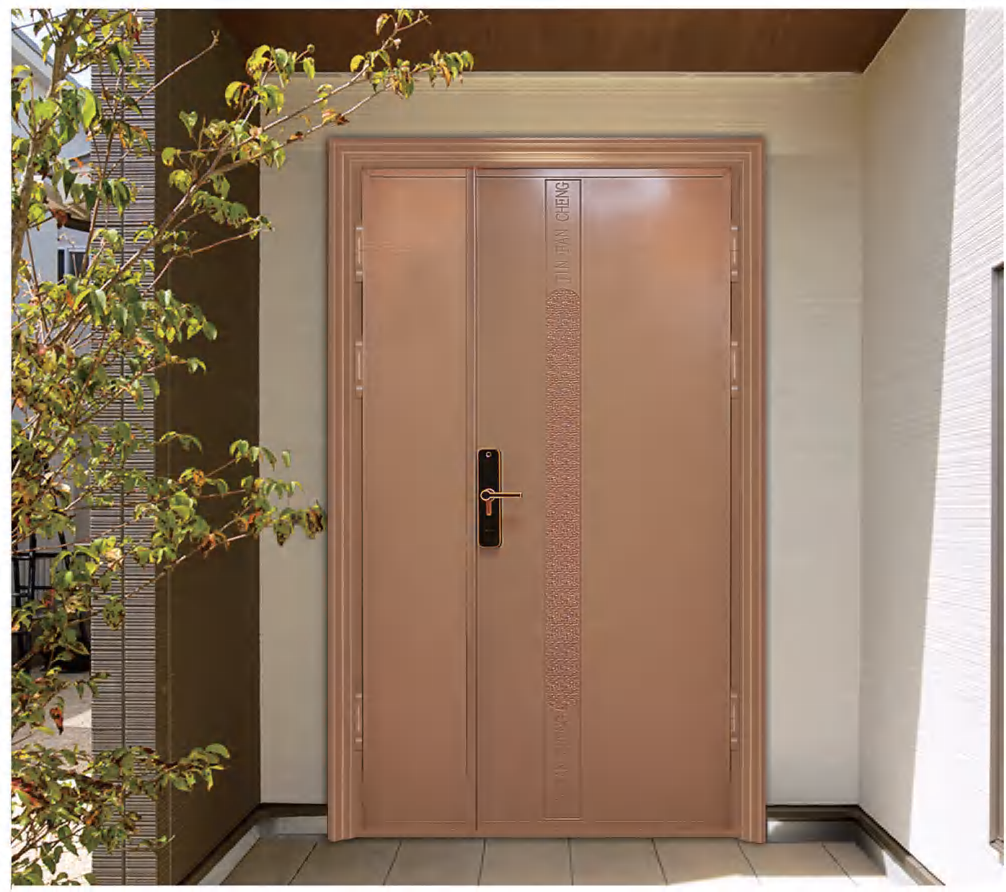
4. Tornado-Specific Load Analysis
Tornado Wind Field Simulation: Apply surrogate models (e.g., Tornado Optimizer with Coriolis Force) to predict asymmetric pressure distributions. Field data from tornado wind profiles indicate 1.5× higher suction forces at door corners compared to standard cyclonic winds.
Resonance Damping: Incorporate viscoelastic layers between aluminum panels to suppress vibrations at tornado-induced frequencies (typically 0.1–10 Hz).
5. Anchoring and Edge Sealing
Seismic-Grade Mounts: Use polyurethane anti-vibration brackets to decouple door frames from building oscillations. Testing on Villa Doors in hurricane zones shows 25% lower deflection with this method.
Triple-Layered Seals: Combine EPDM rubber, silicone foam, and magnetic strips to prevent wind-driven debris infiltration. This aligns with wind-load compliance standards for Entrance Doors in AS/NZS 1170.2.
Application-Specific Adaptation
Entrance Door: Prioritize reinforced sills and retractable storm shutters for rapid pressure equalization.
Room Door: Optimize lightweight designs with internal damping layers for mid-frequency noise isolation.
Villa Door: Integrate bulletproof glass laminates and aerodynamic overhangs to withstand combined tornado and projectile impacts.
By synergizing fluid dynamics simulations, material science, and tornado-specific engineering, aluminum doors can achieve resilience against extreme wind pressures while maintaining functional elegance.